FBA 费用 · 3 分钟阅读
Inbound placement fees should change how you build shipments
Placement fees are easiest to misunderstand at shipment creation. Model them alongside freight, receiving speed, and stockout risk before choosing an option.
作者: Kenderson Tripaldi · April 28, 2026

The inbound placement service fee is easy to misread because it appears inside a shipping workflow. It is not the same thing as the carrier charge. Amazon's own forum guidance separates inbound transportation charges from the placement fee: transportation is the cost of moving inventory with a carrier, while placement reflects distributing inventory across fulfillment centers close to customers.
That distinction matters because the cheapest freight option is not always the cheapest landed option. A single-destination plan may simplify the warehouse day but raise the placement fee. A broader split can reduce placement cost while adding labor, cartons, labels, and appointment complexity.
Compare options on total landed cost
For each Send to Amazon option, build a small decision table:
- placement fee estimate
- partnered or non-partnered freight estimate
- extra warehouse labor for split shipments
- expected days until units become sellable
- stockout cost if receiving takes longer
The last line is usually missing. If a cheaper split adds enough receiving delay to create a stockout on a profitable SKU, the savings are fake. If the SKU is slow-moving and storage-heavy, the slower split may be fine.
Shipment structure can affect the options
Operators can often improve available options before choosing one. Separate standard-size, non-standard-size, and special-handling inventory. Keep box content patterns consistent where possible. Increase the number of identical cartons when it helps Amazon route inventory predictably. These changes reduce ambiguity in the inbound plan, which can improve the fee and operational quality of the options presented.
The decision rule
Use the option with the lowest expected margin loss, not the lowest visible fee. For private-label sellers, that often means planning replenishment earlier so broader splits are acceptable. For wholesale and arbitrage sellers, it can mean consolidating only when the margin on the lot supports the placement premium.
Review placement fees after receiving, too. Estimates are not the end of the story. Reconcile what Amazon estimated, what was received, and what was charged so your next shipment plan is based on actual landed cost.
Build a feedback loop from actuals
The first shipment plan is a hypothesis. The settlement and receiving record tell you whether the hypothesis was right. Capture the selected placement option, estimated fee, carrier cost, carton count, destination pattern, receiving date, and actual charge. Then compare the actual landed cost to the decision table used at approval.
This does two useful things. First, it reveals whether the team is consistently underestimating labor, freight, or receiving delay. Second, it teaches the buyer which shipment structures create expensive patterns. If small mixed cartons repeatedly produce poor options, fix the carton standard before the next inbound plan. If a broad split routinely protects margin for fast movers, plan replenishment earlier so the team can choose that option without stockout pressure.
Decide at SKU group level
Placement decisions are often made for a shipment, but the economics live at SKU group level. Fast-moving replenishment, slow cleanup inventory, fragile goods, and low-margin wholesale lots should not always ride together. If one group can tolerate delay and another cannot, the combined shipment may force a bad compromise.
Split the review into SKU groups before approving the final plan. A higher placement fee may be rational for a stockout-prone hero SKU. The same fee may be unacceptable for aged units that should be discounted or removed. When operators evaluate the shipment this way, placement fees become a planning variable instead of an unpleasant surprise inside Send to Amazon.
Make the approval note explicit
Every approved plan should carry a short reason: chose speed to protect stockout, chose lower fee because inventory was slow-moving, or rebuilt shipment because the split was uneconomic. That note helps finance understand the settlement later and helps operations improve the next plan.
继续阅读
相关文章

合规 · 3 分钟阅读
Build a box compliance scorecard before Amazon charges you
Box compliance should be measured before pickup. Track weight, category mixing, dimensions, labels, and evidence at carton level.
FBA 费用 · 3 分钟阅读
Size-tier audits belong in your monthly FBA close
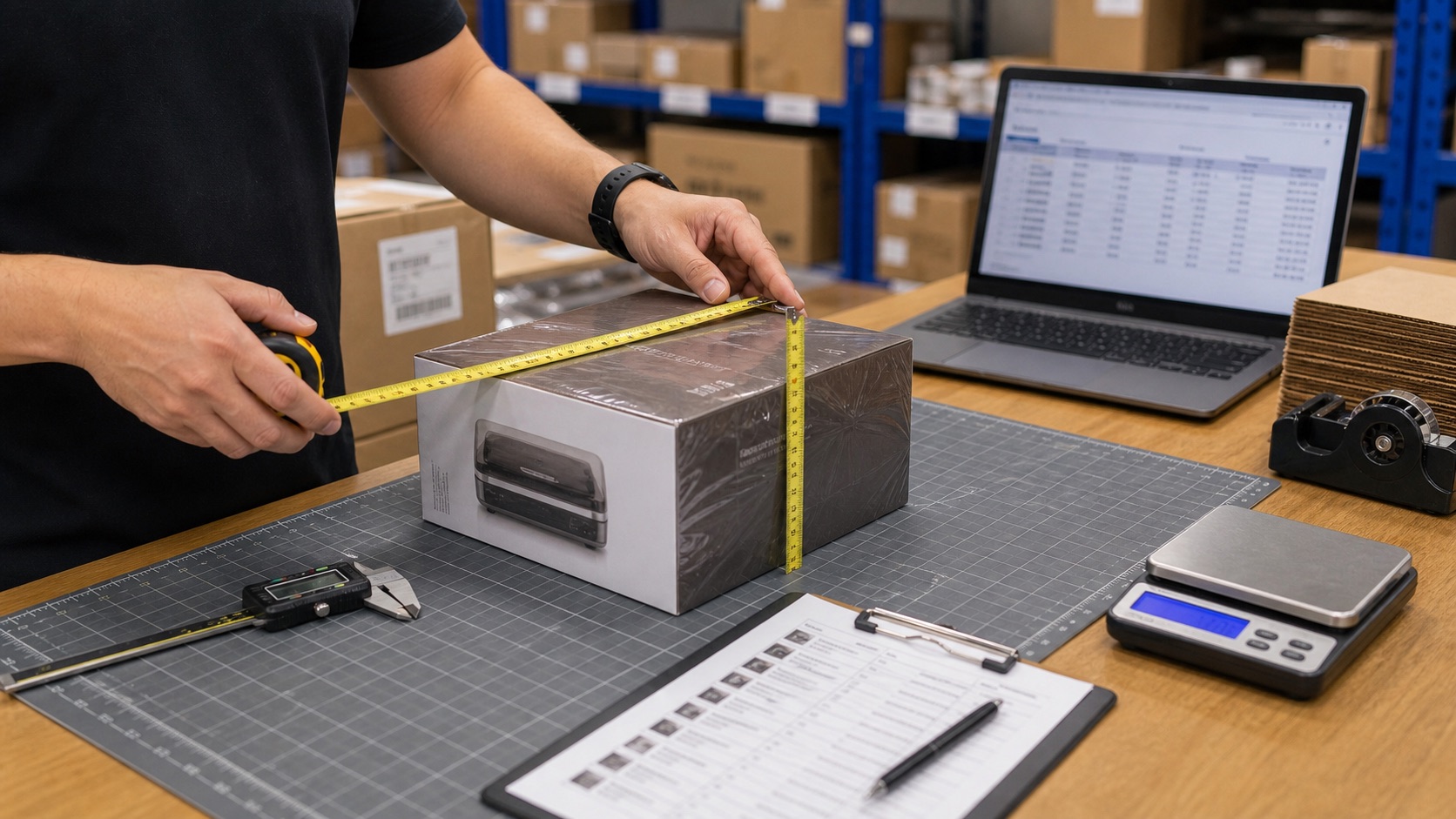
A small measurement drift can change fulfillment, storage, and placement economics. Audit size tiers monthly before fee leakage becomes normal.
FBA 费用 · 3 分钟阅读
Low-inventory-level fees need a days-of-supply model
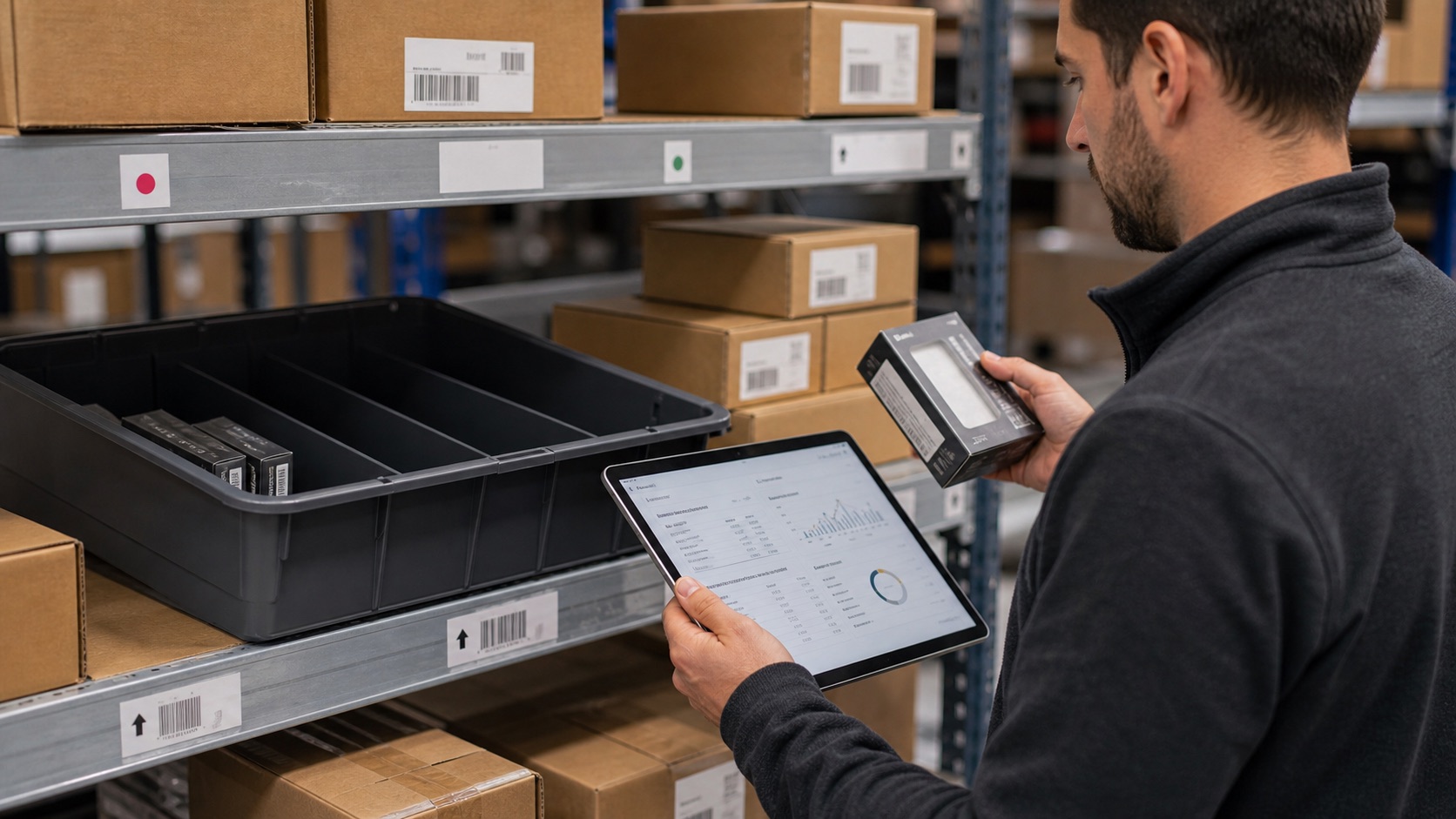
The low-inventory-level fee is not just a replenishment problem. It is a SKU-level margin risk that needs daily days-of-supply tracking.